Essential Gear for a Long-Distance Road Trip
Preparing for a long-distance road trip involves more than mapping a route and booking accommodations. Experienced travelers understand that the reliability of a journey often depends on the foresight invested before departure. Packing a considered selection of emergency tools, navigation aids, and comfort items creates a buffer against unpredictability without guaranteeing specific outcomes. This article outlines categories of gear that are frequently cited by seasoned road-trippers, emphasizing the rationale behind each item rather than prescribing a definitive checklist.
The suggestions below are structured around three functional areas: emergency preparedness, navigational support, and personal comfort. Each category addresses distinct aspects of travel logistics, and the choices within them are shaped by factors such as vehicle type, season, terrain, and duration. The intent is to provide a framework for decision-making, not a one-size-fits-all solution. Readers are encouraged to evaluate their own circumstances—including local regulations and professional guidance—when assembling their kit.
Emergency Tools for Vehicle and Personal Preparedness
Emergency tools serve as a contingency layer when the unexpected occurs. A basic vehicle toolkit typically includes a tire pressure gauge, a portable air compressor, and a spare tire with a working jack and lug wrench. These items address common roadside issues such as slow leaks or punctures, but their effectiveness depends on regular maintenance and the user’s familiarity with the equipment. It is prudent to check tire pressure before departure and to practice changing a tire in a safe environment, as familiarity can reduce stress during an actual event.
Beyond tire-related gear, a jump-starter pack or jumper cables are frequently recommended for battery-related failures. Modern portable jump starters often include USB ports and built-in flashlights, combining multiple functions in a single device. However, their performance varies with battery capacity and storage conditions, so periodic charging and temperature-aware storage are advisable. A reflective triangle or road flare set improves visibility if a vehicle is stranded, particularly on highways or at night. These items should be stored where they are accessible without unloading the entire trunk.
First aid supplies constitute another core element. A pre-assembled kit can serve as a starting point, but travelers may customize it to include personal medications, extra prescription eyewear, and a printed list of emergency contacts. It is important to recognize that a first aid kit is not a substitute for professional medical care; rather, it supports basic response until help arrives. Similarly, a multi-tool or a compact toolset can assist with minor repairs, but complex mechanical issues may require trained assistance. Carrying a portable power bank for mobile devices and a backup charging cable can help maintain communication, though coverage gaps remain a consideration in remote areas.
Navigation Aids for Route Planning and Situational Awareness
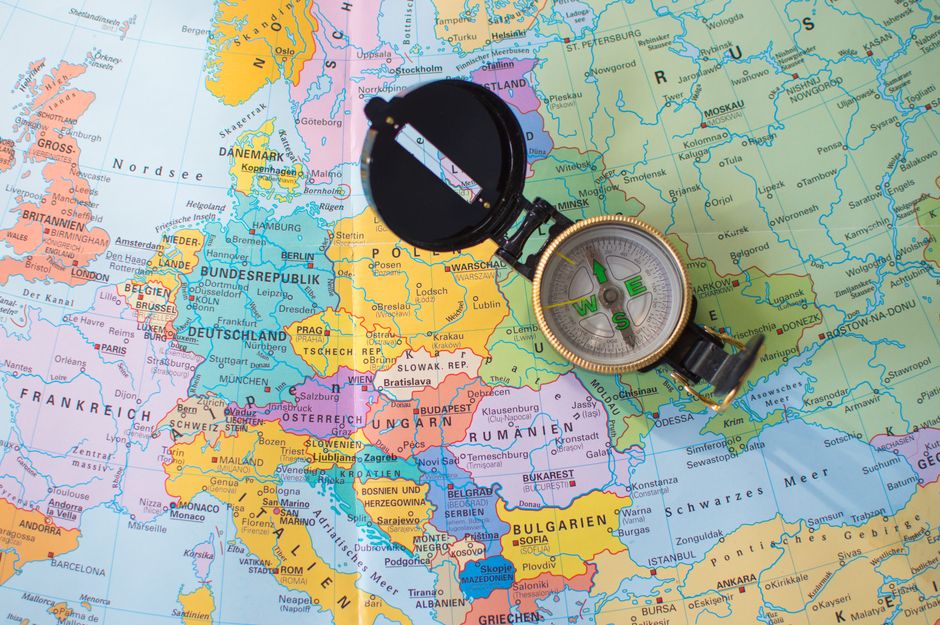
Navigation aids have evolved from paper maps to integrated digital systems, yet experienced travelers often carry a combination of both. A smartphone with a mapping application provides real-time traffic and rerouting, but it relies on cellular service and battery power. A dedicated GPS device or an offline map application can offer continuity where connectivity is limited. It is useful to download regional maps in advance and to carry a physical road atlas as a low-tech fallback. This layered approach does not guarantee uninterrupted navigation, but it reduces dependence on a single point of failure.
In addition to mapping tools, a compass and a basic understanding of cardinal directions can be valuable in areas with poor signage. Some travelers include a handheld GPS receiver or a satellite messenger for areas beyond cellular coverage. These devices vary in subscription requirements and emergency response features, so users should review service terms and practice basic operations before a trip. A vehicle-mounted phone holder and a charging cable keep navigation devices within easy view and powered, while a small notebook and pen allow for jotting down directions or recording trip details when screen use is impractical.
It is also worth considering the role of pre-trip planning in navigation. Reviewing route alternatives, identifying fuel stops, and noting rest areas can reduce the need for impromptu decisions. Some travelers use a checklist to confirm that maps, devices, and backup power sources are functional before departure. While these measures can support a smoother journey, they do not eliminate the possibility of detours or closures. Flexibility and a calm approach to route changes remain part of the navigation toolkit.
Comfort Items for Sustained Travel
Comfort items contribute to the physical and mental stamina required for long hours on the road. Seating support, such as a lumbar cushion or a seat cover, can influence posture during extended driving, though individual preferences vary. A small cooler or insulated bag allows for storing snacks and beverages, which can help maintain energy levels and reduce the frequency of stops. Travelers often pack a refillable water bottle and non-perishable snacks that are easy to consume without distracting the driver. These choices are practical rather than prescriptive, as dietary needs and vehicle space differ widely.
Climate control and visibility also fall under comfort. Sunshades, microfiber cloths for windshield cleaning, and spare sunglasses can improve driving conditions. A blanket or a light jacket is useful for temperature fluctuations, especially in regions with variable weather. For passengers, entertainment options such as audiobooks, podcasts, or a tablet with downloaded content can make longer stretches more pleasant. It is helpful to organize these items in a accessible bag or bin so that they do not become a source of clutter or distraction.
Sleep and rest are often overlooked comfort factors. A neck pillow, an eye mask, and earplugs can support rest during breaks or at overnight stops. Some travelers carry a small travel pillow and a lightweight throw for impromptu rest areas. Hydration and balanced meals, while not gear in the traditional sense, are equally important. Packing a few disposable utensils, napkins, and sealable bags can make roadside meals more manageable. These items are simple, but their presence can reduce friction and support a more organized travel experience.
Organizing and Maintaining Your Gear
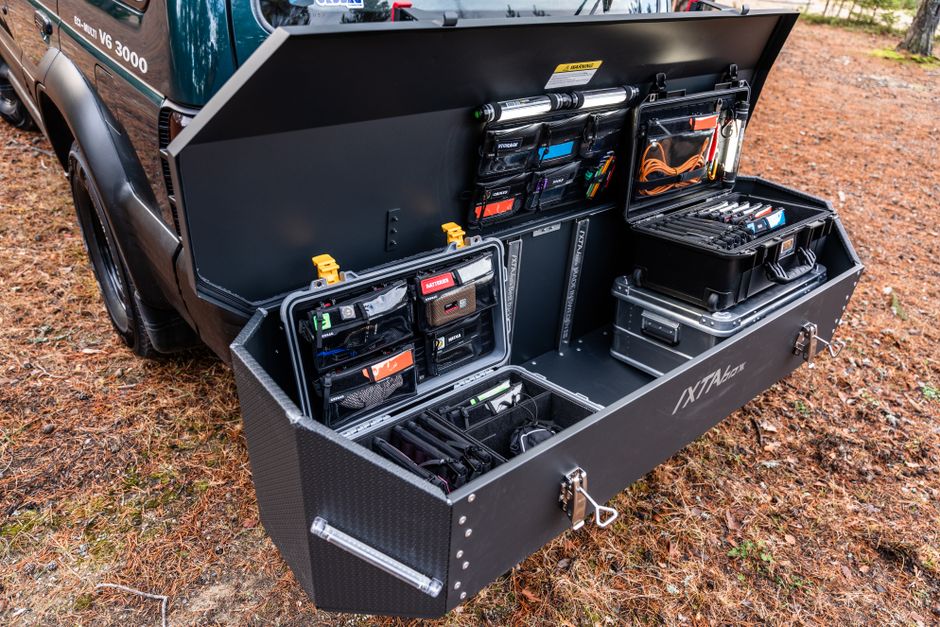
Organization is a practical consideration that affects how gear is used. A modular storage system—such as clear pouches, labeled bins, or a trunk organizer—can help separate emergency tools, navigation aids, and comfort items. This separation allows for quick retrieval without sorting through unrelated items. It is also useful to keep a small inventory list and to review it before each trip, replacing expired items such as first aid supplies or batteries. Regular checks of tire pressure, jump-starter charge, and device updates contribute to gear readiness, though they do not guarantee performance in every situation.
Maintenance extends to cleaning and storing items appropriately. Tools should be kept dry to prevent rust, and electronic devices should be protected from extreme temperatures. After a trip, a brief review of which items were used, which were unnecessary, and which needed replacement can inform future packing decisions. This iterative approach reflects a process-oriented mindset rather than a fixed checklist. Travelers may also consult vehicle manuals, outdoor organizations, or professional outfitters for guidance tailored to their specific route and season.
Experienced travelers often describe gear as a support system rather than a guarantee; its value lies in preparedness and adaptability.
Ultimately, the selection of emergency tools, navigation aids, and comfort items is a personal exercise shaped by context. The categories outlined here provide a starting point for building a kit that aligns with individual needs and travel conditions. Open Road Journal encourages a thoughtful, informed approach to packing, recognizing that no list can account for every variable. By focusing on transparency, maintenance, and situational awareness, travelers can make decisions that feel appropriate for their journey.