Navigating Toll Roads and Vignettes in Europe
Driving in Europe can be a rewarding experience, but the variety of toll systems and vignette requirements across borders often surprises visitors. Unlike the United States, where tolling is relatively uniform and often managed by state-level authorities, European countries each have their own rules, technologies, and enforcement mechanisms. Understanding these differences is essential for planning a smooth trip and avoiding unexpected fines. This article provides a factual overview of how tolls and vignettes work in various European countries, the payment methods available, and the importance of compliance.
Europe’s road network includes a mix of toll-free highways, toll roads with distance-based fees, and vignette systems that require the purchase of a time-limited permit. Some countries use a combination of these approaches, while others are transitioning to fully electronic systems. For travelers, the key is to research the specific requirements of each country on the itinerary. Ignorance of local rules is not a valid excuse, and penalties for non-compliance can be substantial. Open Road Journal aims to clarify these systems so that drivers can make informed decisions.
This article explores the main types of tolling, the countries that require vignettes, common payment methods, and practical steps to ensure compliance. It does not provide legal advice or guarantee outcomes, as enforcement practices and fees can change. Instead, it offers a framework for understanding and preparing for European road travel.
Types of Toll Systems in Europe
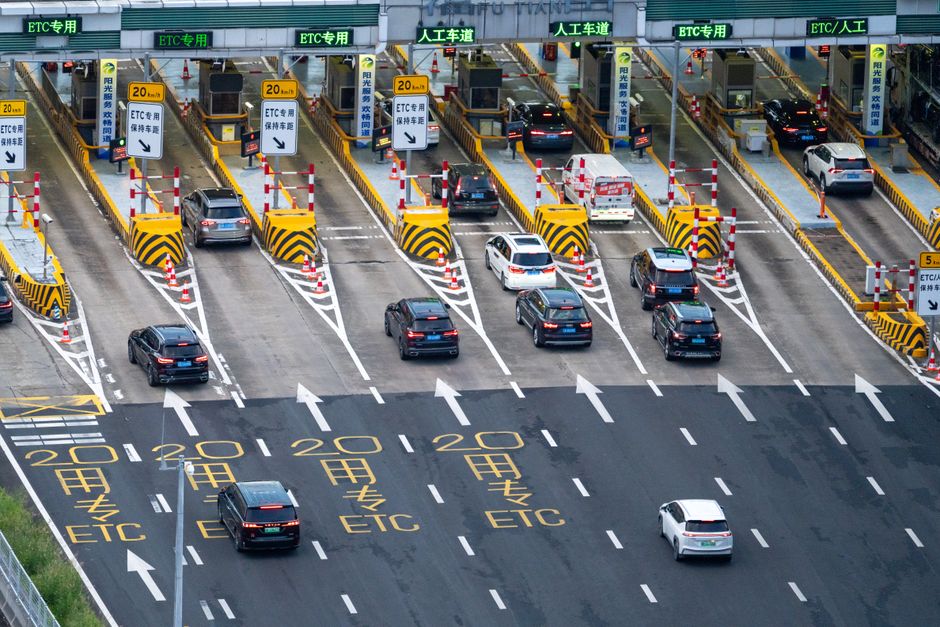
European toll systems generally fall into two categories: distance-based tolls and time-based vignettes. Distance-based tolls charge drivers based on the number of kilometers traveled on specific roads, often motorways or bridges. These tolls are collected at toll booths, via electronic transponders, or through video-based systems that capture license plates. Countries such as France, Italy, Spain, and Portugal use distance-based tolls extensively, with fees varying by vehicle type and route. In some cases, tolls are used to fund maintenance and construction, and rates may be higher on scenic or congested routes.
Vignettes, on the other hand, are stickers or electronic permits that allow unlimited travel on designated roads for a set period—typically 10 days, 2 months, or a year. Vignette systems are common in Central and Eastern Europe, including Austria, Switzerland, the Czech Republic, Slovakia, Hungary, Slovenia, and Romania. Some countries offer both physical stickers and electronic vignettes, with the latter becoming more prevalent. For example, Austria offers a digital vignette that is linked to the license plate, eliminating the need for a sticker. Drivers must ensure they purchase the correct vignette for their vehicle type and duration of stay.
In addition to these two main types, some countries have special tolls for tunnels, bridges, or specific zones. Norway, for instance, has a network of toll stations for urban areas and infrastructure projects, often using automated systems. Greece and Turkey also have toll roads with booth-based collection. It is important to note that even in countries with vignette systems, certain roads—such as tunnels or bridges—may require separate toll payments. Therefore, a comprehensive understanding of each country’s road charging landscape is necessary for accurate trip planning.
Vignette Requirements by Country
Vignette requirements vary significantly across Europe, and travelers must be aware of which countries require them and how to obtain them. Austria requires a vignette for all motorways and expressways, with options for 10-day, 2-month, or annual validity. The vignette can be purchased at gas stations, border crossings, and online as a digital version. Switzerland requires an annual vignette for motorways, which can be purchased at borders and gas stations; there is no short-term option. The Czech Republic offers a 10-day, 1-month, or annual vignette, available at post offices, gas stations, and online. Slovakia has a similar system with electronic vignettes that can be purchased online or at kiosks.
Hungary uses an electronic vignette system called e-matrica, which can be purchased online, at gas stations, or via mobile apps. Slovenia requires a vignette for motorways and expressways, with weekly, monthly, and annual options available online and at gas stations. Romania has a vignette called rovinieta, which can be purchased online, at post offices, and at some border points. Bulgaria uses an electronic vignette system that can be bought online or at gas stations. It is crucial to note that vignettes are typically vehicle-specific and not transferable, and drivers must ensure the vignette matches their license plate. In countries with physical stickers, the vignette must be displayed prominently on the windshield. Failure to comply can result in on-the-spot fines, which can be high.
Payment Methods and Practical Tips
Payment methods for tolls and vignettes vary by country and system. For distance-based tolls, common options include cash (in local currency or euros), credit and debit cards, and electronic toll collection tags. In France, for example, toll booths accept cards and cash, and a Liber-t tag allows automated payment. In Italy, most toll booths accept cash and cards, and a Telepass device is available for frequent travelers. Spain and Portugal have similar systems, with Via-T transponders for electronic payment. It is advisable to carry some local currency for smaller tolls or remote booths, as not all accept cards.
For vignettes, online purchase is increasingly common and often the most convenient option. Many countries have official websites where drivers can buy electronic vignettes by entering their license plate and payment details. Physical vignettes can be purchased at gas stations, post offices, and border crossings, but travelers should be cautious about purchasing from unauthorized sellers. It is important to keep receipts and confirmation emails as proof of purchase. Additionally, some rental car companies offer vignette packages or toll transponders for a fee, which can simplify the process for renters.
Practical tips for navigating European tolls include planning routes in advance to identify toll segments, using navigation apps that highlight toll roads, and setting aside a budget for tolls and vignettes. Drivers should also be aware of vehicle classifications—tolls and vignettes often vary by vehicle height, weight, and number of axles—and ensure they purchase the correct category. In some countries, electric vehicles may receive discounts or exemptions, so checking local regulations is worthwhile. Finally, always adhere to speed limits and driving rules, as toll roads are often monitored by cameras and non-compliance with traffic laws can lead to additional fines.
Avoiding Fines and Ensuring Compliance
Avoiding fines requires diligence and preparation. The most common mistake drivers make is failing to purchase a vignette when required or purchasing the wrong type. Enforcement is typically carried out through automated camera systems that scan license plates and cross-check against vignette databases. In countries with physical stickers, police may conduct visual checks. Fines for non-compliance can range from tens to hundreds of euros, and in some cases, drivers may be required to pay on the spot. It is also important to note that ignorance of the local language or rules is not accepted as an excuse.
To ensure compliance, drivers should research the vignette and toll requirements for each country on their route before departure. Official tourism and transport websites provide up-to-date information, and many online platforms offer vignette purchasing in multiple languages. When renting a car, inquire about toll and vignette policies and whether the rental company provides any assistance. Keep all purchase confirmations and receipts in case of disputes. Additionally, be aware that some countries have environmental zones (such as low-emission zones) that require separate registration or stickers, which are distinct from vignettes. These zones often have their own penalties for non-compliance.
It is also wise to stay informed about changes in toll systems, as some countries are moving toward fully electronic systems or adopting new technologies. For instance, the European Union is working toward interoperability of electronic toll services, which may simplify cross-border travel in the future. However, until then, drivers must navigate the current patchwork of systems. Open Road Journal encourages travelers to approach tolls and vignettes as part of the trip planning process, allocating time and resources accordingly. By understanding the rules and preparing in advance, drivers can reduce the risk of fines and focus on enjoying the journey.