Planning a Budget Road Trip Across Europe
Planning a road trip across Europe can be an exciting way to explore diverse landscapes and cultures, but the costs can add up quickly if not managed carefully. Fuel, accommodation, and food are typically the three largest expense categories for any long-distance drive, and each offers opportunities for savings through informed choices and advance preparation. Understanding how these costs vary by country and how to structure your itinerary around them can make a significant difference to your overall budget.
This article outlines a process-oriented approach to planning a budget road trip, focusing on practical methods for reducing expenses without sacrificing the experience. It covers fuel efficiency strategies, accommodation alternatives, food planning, and cross-border considerations. Rather than offering definitive recommendations, the aim is to present frameworks that you can adapt to your own travel style, timeline, and preferences.
Because road trip costs depend on many external factors—such as fuel prices, seasonal demand, and exchange rates—any potential savings are conditional and context-dependent. The information here is intended to support your own research and decision-making, not to replace professional financial or travel advice.
Fuel Efficiency and Route Planning
Fuel is often the most variable cost on a European road trip, as prices differ significantly between countries and even between regions within the same country. A common approach is to plan your route with fuel prices in mind, using online tools or apps that aggregate current prices at stations along your path. This can help you identify where to fill up and where to avoid purchasing fuel, though price data may not always be up to date. Keeping a simple log of fuel purchases and distances can also help you monitor consumption and adjust your driving habits.
Vehicle choice and driving style play a substantial role in fuel economy. Smaller, more fuel-efficient cars are generally cheaper to run, and manual transmissions are common in Europe, which can offer better control over fuel use. Maintaining correct tire pressure, avoiding excessive idling, and driving at steady speeds on highways can contribute to lower consumption. Some countries have lower speed limits or toll systems that influence both fuel use and overall travel time, so factoring these into your route can affect your budget. Additionally, consider whether a diesel or petrol vehicle is more suitable, as fuel prices and availability vary.
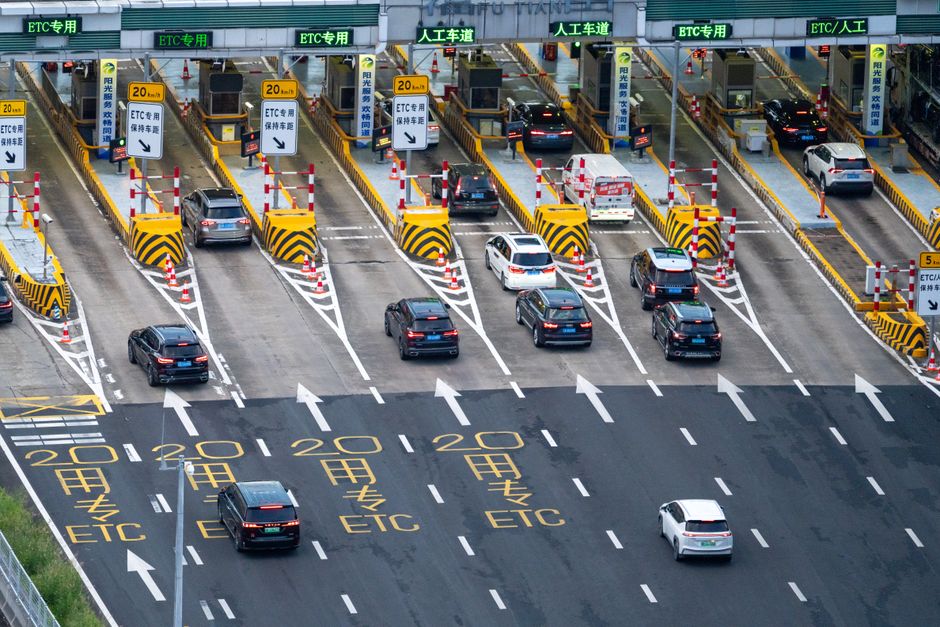
Route planning should also account for tolls and vignettes, which are required in some countries and can add unexpected costs. Researching these in advance and purchasing vignettes where necessary can prevent fines and streamline your journey. Some routes may be more scenic but slower, while others prioritize speed at the cost of tolls; balancing these trade-offs is part of the budgeting process. Using a GPS or navigation app with toll avoidance options can help you compare alternatives.
Accommodation Alternatives and Booking Strategies
Accommodation can consume a large portion of a road trip budget, especially in popular tourist areas during peak season. To reduce costs, many travelers consider alternatives to traditional hotels, such as hostels, guesthouses, campgrounds, and apartment rentals. Each option has trade-offs in terms of comfort, privacy, and location, and the best choice depends on your priorities and the availability in each area. Booking in advance often yields lower rates, but it also reduces flexibility; last-minute bookings may offer discounts outside peak times.
Camping is a popular budget-friendly option in many European countries, with well-developed networks of campsites that range from basic to highly equipped. Some campsites offer cabins or mobile homes, which can be cost-effective for families or groups. Wild camping is restricted or prohibited in many countries, so it is important to check local regulations before planning overnight stays. Hostels often provide affordable dormitory beds and communal kitchens, which can also help reduce food costs. For longer stays, apartment rentals with kitchen facilities may offer better value than hotels, especially when splitting costs among multiple travelers.
Another strategy is to mix accommodation types to balance cost and comfort—for example, staying in campsites on some nights and in budget hotels on others. Loyalty programs and membership cards for hostel networks or camping associations can provide discounts, but these require upfront investment and may only pay off if used frequently. It is also worth considering the location of accommodation relative to your route: staying slightly outside major cities can reduce prices but may increase driving distance and fuel costs.
Food Planning and Grocery Shopping
Food expenses can be managed effectively by balancing self-catering with occasional meals out. Grocery shopping at local supermarkets and preparing your own meals, especially breakfast and lunch, can significantly reduce daily food costs. Many accommodations, such as apartments and hostels, provide kitchen facilities, making self-catering practical. Picnics using fresh local ingredients are another way to enjoy meals economically while experiencing regional produce.
When eating out, choosing casual eateries, street food, or set lunch menus rather than formal restaurants can keep costs down. In some countries, lunch is the main meal of the day and often offered at lower prices than dinner. Tapping into local markets can provide affordable and diverse food options. It is also useful to carry a reusable water bottle and refill it at public fountains where safe, as bottled water purchases can add up.
Planning meals around your driving schedule can prevent impulsive spending on expensive roadside stops. Packing a cooler with essentials and snacks reduces the need to buy food at gas stations or convenience stores, which tend to be pricier. Keeping a simple food budget and tracking expenses daily can help you stay within limits. Dietary preferences and food allergies should be considered when planning, and researching local cuisine can enhance the experience without exceeding your budget.
Cross-Border Considerations and Miscellaneous Costs
Driving through multiple European countries involves planning for border crossings, documentation, and varying regulations. While many European countries are part of the Schengen Area, allowing passport-free travel, others require border checks. Ensuring your vehicle insurance covers all countries on your route is essential, as is carrying necessary documents such as a driving license, vehicle registration, and proof of insurance. Some countries require additional equipment like warning triangles, reflective vests, and first-aid kits; failure to comply can result in fines.
Currency exchange and payment methods also affect budgeting. While the euro is used in many countries, others have their own currencies, and exchange rates can impact costs. Using credit cards with no foreign transaction fees or withdrawing local currency from ATMs can be more economical than exchanging cash at airports or exchange bureaus. Informing your bank of travel plans can prevent card blocks. Additionally, mobile data roaming charges may apply outside the EU, so checking your plan or purchasing a local SIM card can help avoid unexpected bills.
Miscellaneous costs such as parking fees, museum entries, and attractions should be factored into your budget. Many cities have park-and-ride schemes that reduce the cost of driving into urban centers. Free walking tours and public parks offer low-cost ways to explore. Maintaining a contingency fund for unexpected expenses, such as vehicle repairs or medical emergencies, is a prudent part of any budget plan. Travel insurance can provide coverage but represents an additional cost that should be evaluated based on your needs.
Finally, keeping a flexible mindset and adjusting plans as needed is key to managing a budget road trip. Prices and availability can change, and unforeseen events may require altering your itinerary. Regular tracking of expenses against your budget allows you to make informed decisions on the road. Open Road Journal emphasizes that thorough research and realistic expectations contribute to a smoother travel experience, though outcomes will vary based on individual circumstances and external factors.